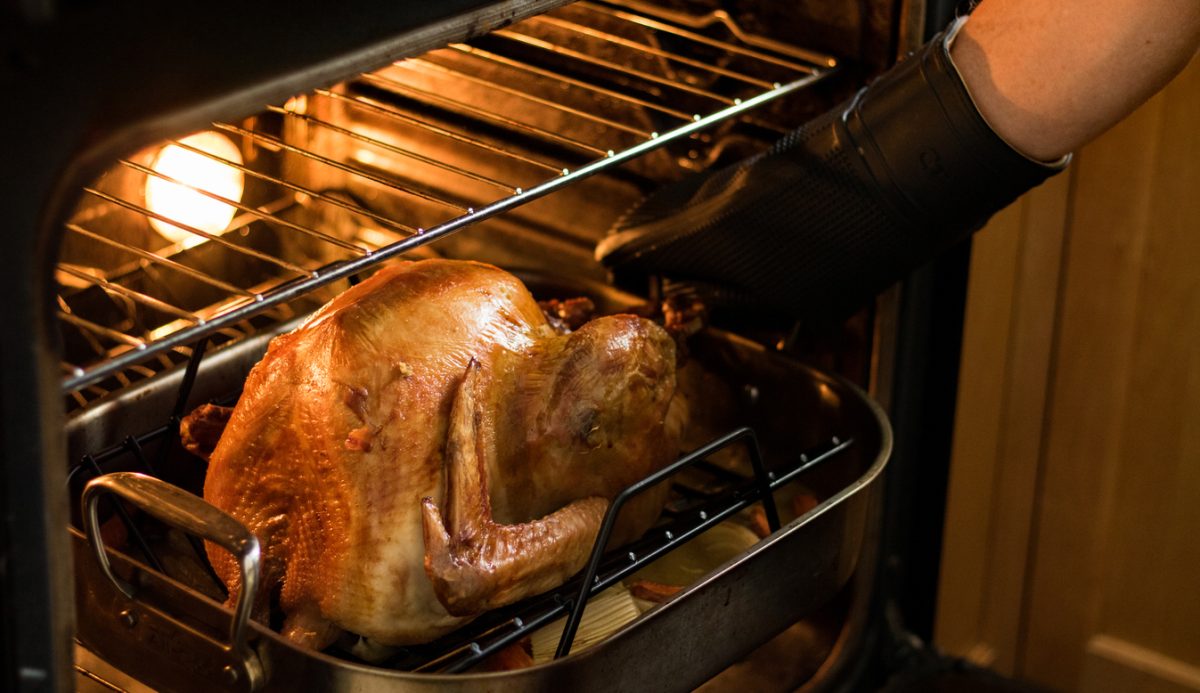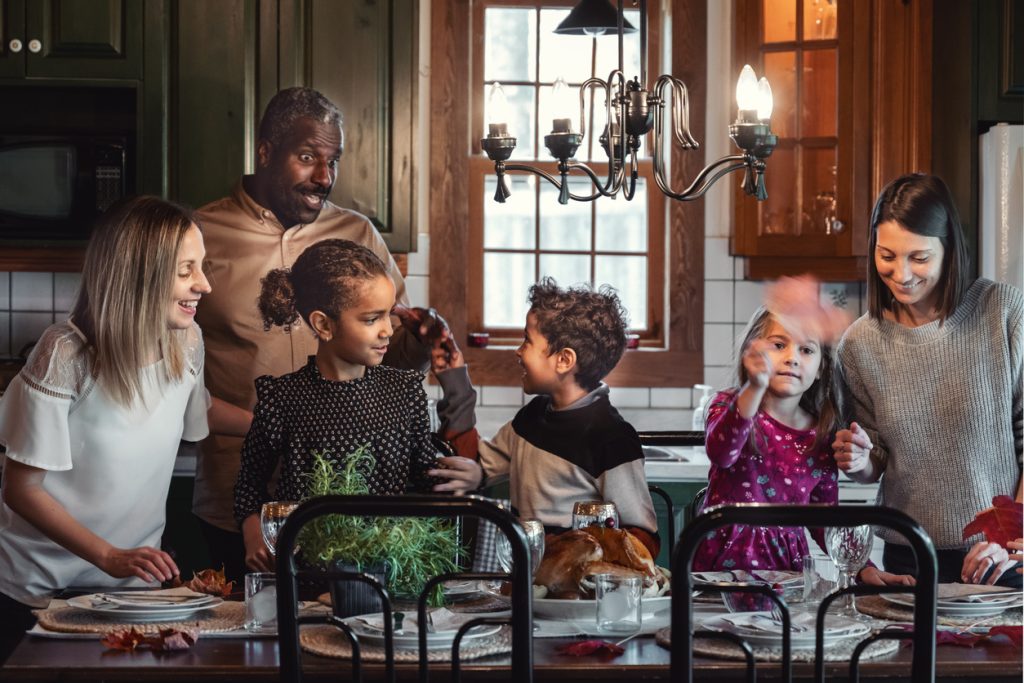

Once the holiday table is cleared, many home cooks across the U.S. might be left wondering what they’re supposed to do with all of the leftovers. From a simple turkey sandwich to the more exotic leftover turkey curry or chipotle turkey tostadas, your options for creative post-holiday cooking are limitless. But regardless of how you prepare them, storing and reheating leftovers safely is a must.
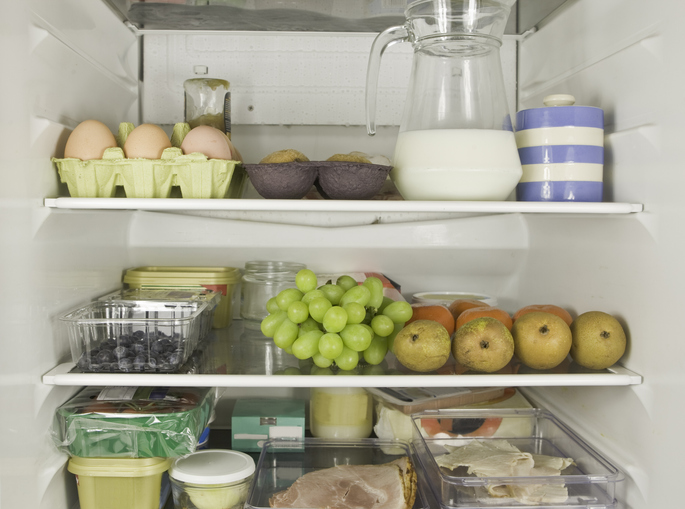
Refrigerator organization is a sometimes overlooked aspect of efficient living and food safety. Many people are used to putting items where they best fit. But depending on what you have in your refrigerator, that approach could be putting you and your family at risk for foodborne illness.
Cross-contamination is the primary safety risk from improperly placing foods in the refrigerator, says Lisa Yakas, senior project manager in NSF International’s home products certification program. Harmful bacteria like e-coli and salmonella can come from meats, and raw vegetables can pass on dirt and soil that may harbor harmful organisms from raw vegetables. Bacteria can pass from meat to other foods even if the two aren’t touching if meat juice leaks or drips.
Let’s open the door, peer inside the fridge and see how you can improve your food storage, make your life easier and reduce your risk.
Before (and after) you reorganize any of your foods, however, wash your hands.
If you’re putting any of the foods on the countertop while reorganizing, clean the area before and after.
The basic rules of refrigerator organization are simple.
- Store meats on the bottom shelves, so any drips won’t fall onto other foods.
- Store prepared and packaged foods in areas where they won’t touch raw meats, fruits or vegetables.
- Raw vegetables belong in the crisper, where they won’t come into contact with other foods.
Yakas recommends cleaning out the areas in the refrigerator where meats and raw vegetables are stored at least once a month. Soap and warm water will usually do the job, but check the refrigerators’ use and care manual for specific instructions.
Keep your refrigerator between 37 and 40 degrees Fahrenheit.
Leftover Safety
With food storage a priority in many households under stay-at-home orders, it’s a good time to review the safe storing and reheating of leftovers as well. “As people are kept in their homes, they’re eating at home more,” Yakas says. “As a general rule, leftovers should be eaten or discarded within three to four days. “Freeze it right away if you aren’t going to eat it,” Yakas says.
Foods that have been cooked need to be refrigerated within two hours. Yakas points out that the time frame to refrigerate leftovers could be narrower if the temperature outside is hotter. If you have a large container of leftovers to store, like a big pot of soup or sauce, divide it in to smaller portions for easier storage and faster cooling.
When reheating meats, use a meat thermometer just like you would when cooking it for the first time. Reheat leftovers to 165 degrees to kill any bacteria that may have formed prior to or during storage. Meat should be measured at a thick spot to ensure it has been heated all the way through. If the meat has a bone, take the temperature close to the bone, but not touching the bone. The temperature of bone and fat can be different than that of the meat.
Other food storage tips: Label and date your leftovers and store the oldest near the front of the refrigerator so you’ll know what should be eaten first. Get the most out of what you have on hand so you don’t have to make unnecessary trips to the grocery store.
Tell us how you are managing during this time, and what tips you’ve found most helpful.